Understanding the psychological triggers behind gambling habits
The Allure of Risk and Reward
The thrill of gambling often stems from the innate human attraction to risk-taking and reward-seeking behavior. This psychological phenomenon can be understood through the lens of the brain’s reward system, which releases dopamine when a person engages in activities associated with pleasure, such as winning a game or placing a successful bet. For many individuals, the excitement of possibly winning a large sum can lead to an increased desire to gamble, often overriding rational judgment. As a result, players may find themselves entranced by the prospect of striking it rich, despite knowing the odds are stacked against them. Many also explore online platforms, such as mythoswincasinoonline.com, where enticing gameplay is just a click away.

Moreover, the concept of variable rewards plays a significant role in gambling behavior. Unlike predictable rewards, variable rewards create a sense of suspense and anticipation, which can heighten the overall gaming experience. This unpredictability keeps individuals coming back for more, as they chase that elusive win. The excitement generated by hitting a jackpot or winning a hand can quickly lead to a pattern of behavior that feels increasingly compelling, further entrenching the individual’s gambling habits.
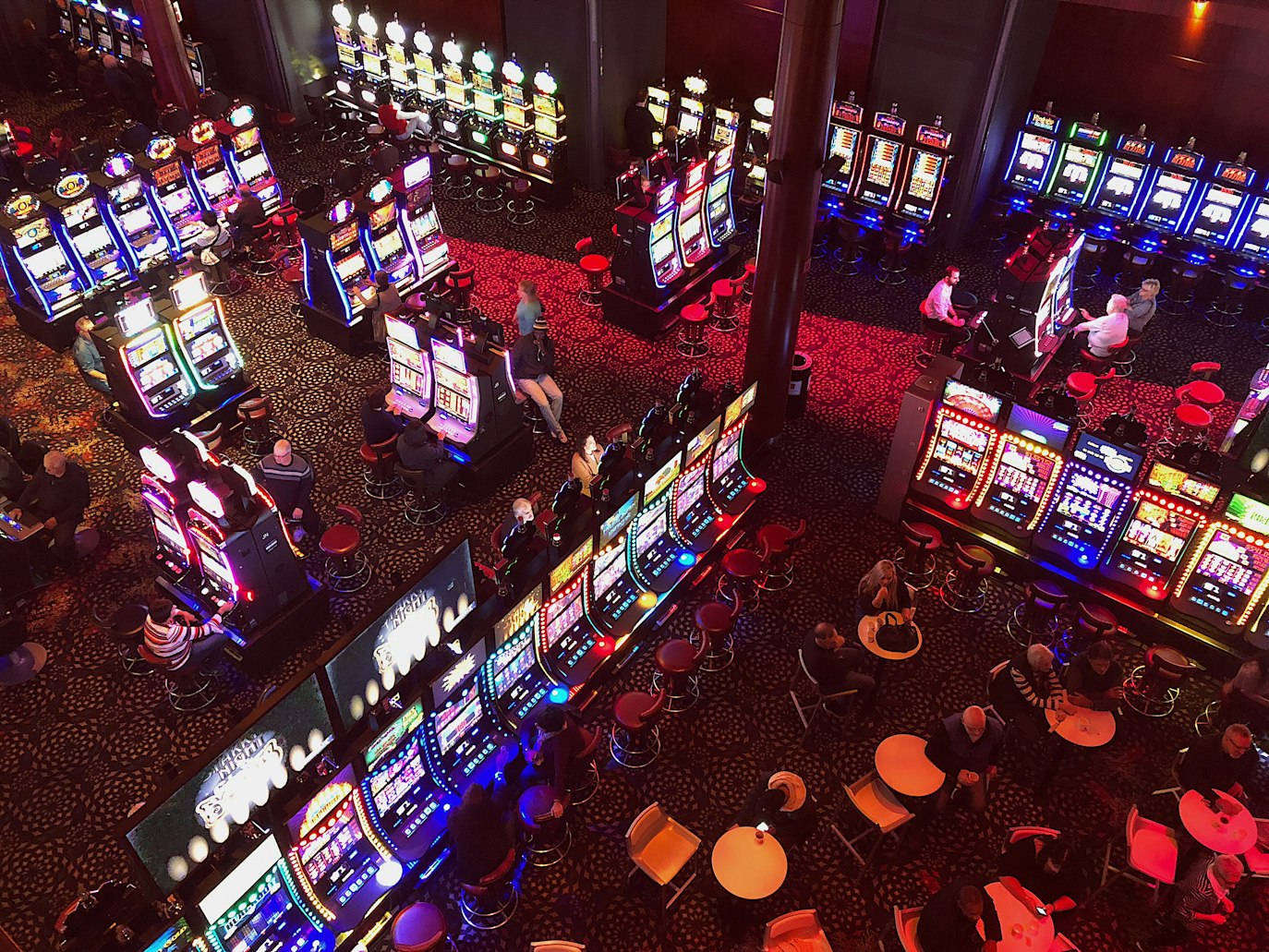
Social influences also amplify the allure of gambling. Environments like casinos are designed to promote excitement and thrill, often through bright lights, sounds, and the presence of other enthusiastic players. This atmosphere fosters a sense of community and shared experience, which can exacerbate the urge to gamble. Individuals are drawn into the collective excitement, leading them to partake in betting behaviors that they might otherwise avoid in a more solitary setting.
The Role of Cognitive Biases
Cognitive biases are thought patterns that can distort an individual’s reasoning, influencing their gambling decisions. One significant bias is the illusion of control, where gamblers believe they can influence the outcome of a game of chance. For example, players might think that their skills in a game like poker give them an advantage, despite the inherent randomness of card distribution. This false sense of agency can lead to more frequent gambling and a tendency to overlook the risks involved.
The gambler’s fallacy is another prevalent cognitive bias. This phenomenon occurs when individuals believe that past events will influence future outcomes, particularly in games of chance. For instance, someone might think that if a particular number hasn’t come up on a slot machine for a while, it is due to hit soon. Such misconceptions can drive individuals to gamble more, as they incorrectly assume they are due for a win, ultimately exacerbating their gambling habits.
Additionally, confirmation bias plays a vital role in gambling behaviors. Gamblers often seek out information that supports their winning strategies while dismissing evidence that contradicts their beliefs. This selective perception can reinforce their gambling activities, leading to continued play even in the face of losses. Understanding these cognitive biases is crucial for addressing gambling problems and promoting healthier gambling behaviors among individuals.
Emotional Triggers and Gambling Addiction
Emotions significantly influence gambling habits, often leading to addictive behaviors. Many individuals use gambling as a coping mechanism to escape from stress, anxiety, or depression. The temporary thrill and distraction provided by gambling can serve as a reprieve from everyday problems, creating a cycle where individuals feel compelled to gamble more to achieve that emotional relief. Over time, this reliance can develop into a compulsive gambling addiction, complicating their emotional landscape.
Furthermore, the emotional highs associated with winning can create an addictive feedback loop. Winning a significant bet generates feelings of euphoria, leading individuals to chase that feeling repeatedly. This can lead to increased gambling frequency and larger bets as individuals seek to recreate that initial emotional high, despite the consequences. The cycle of winning and losing can further entrench gambling habits, making it increasingly difficult to break free from the cycle.
It’s also essential to consider the emotional aftermath of losses. The distress and disappointment following a loss can lead to a desire to “chase” losses, where individuals continue to gamble in hopes of recovering their previous financial losses. This cycle can result in significant financial and emotional harm, contributing to the ongoing struggle with gambling addiction. Recognizing these emotional triggers is crucial for helping individuals understand and manage their gambling behaviors effectively.
The Influence of Environment and Accessibility
The environment in which individuals gamble plays a significant role in shaping their behaviors. Easy access to gambling venues, whether physical casinos or online platforms, can increase the likelihood of developing problematic gambling habits. The convenience of online gambling, in particular, allows for immediate engagement without the barriers often present in traditional gambling environments. This accessibility can lead to impulsive decisions and increased frequency of gambling activities, further entrenching negative behaviors. Recently, more players have turned to platforms like MythosWin casino, acknowledging this rapid evolution in the gaming landscape.
Social environments also affect gambling habits. Peer pressure can encourage individuals to engage in gambling activities, especially in social settings where others are betting. The normalization of gambling within social groups can diminish perceived risks and cultivate a culture that embraces gambling as an accepted pastime. This social reinforcement can contribute to the development and escalation of gambling habits, making it essential to evaluate the contexts in which individuals gamble.
Moreover, marketing and advertising strategies used by gambling establishments amplify the appeal of betting. Targeted promotions, loyalty programs, and enticing advertisements can create a sense of urgency and desirability around gambling, leading individuals to gamble more frequently. Understanding the environmental influences on gambling behaviors can help develop preventive measures and interventions aimed at reducing the prevalence of gambling addiction.
About Us: Empowering Responsible Gambling
At our platform, we recognize the significance of understanding the psychological triggers behind gambling habits. Our mission is to create a safe and supportive environment for individuals interested in gambling while promoting responsible gaming practices. We strive to empower users with knowledge, ensuring that they are informed about the risks and psychological aspects associated with gambling.
We believe that awareness is the first step toward healthier gambling behaviors. Our resources include educational materials aimed at helping individuals recognize their emotional triggers and cognitive biases related to gambling. We are dedicated to fostering a culture of responsible gambling, where individuals can enjoy gaming experiences without compromising their well-being or financial stability.

